
We develop and evaluate community-based interventions that improve health and well-being in low- and middle-income countries. Our research spans water, sanitation, hygiene, clean energy, nutrition, and other environmental and behavioral approaches to improving population health.
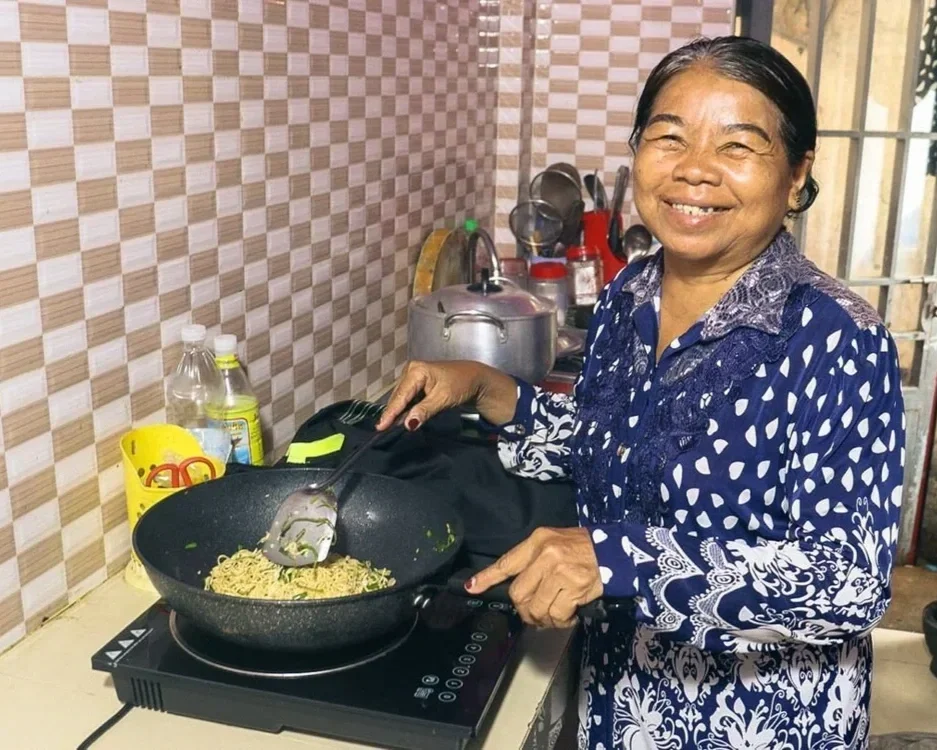
AIR-C3 Study
In this study, we will, for the first time at this scale, examine what may be the cleanest, most scalable, and most efficient cooking technology—electric induction cooking in Cambodia.
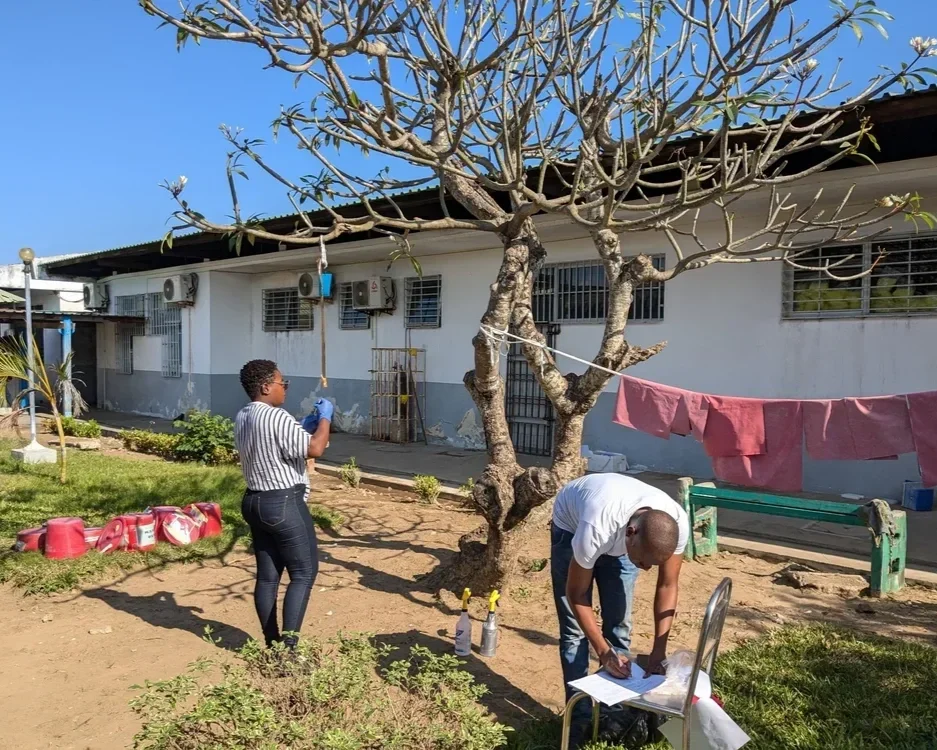
QUEST
This research aims to the establish baseline measures of WASH conditions, child health, and women’s empowerment before the delivery of a neighborhood wide sanitation and drainage intervention in informal neighborhoods of Quelimane, Mozambique.
Previous projects
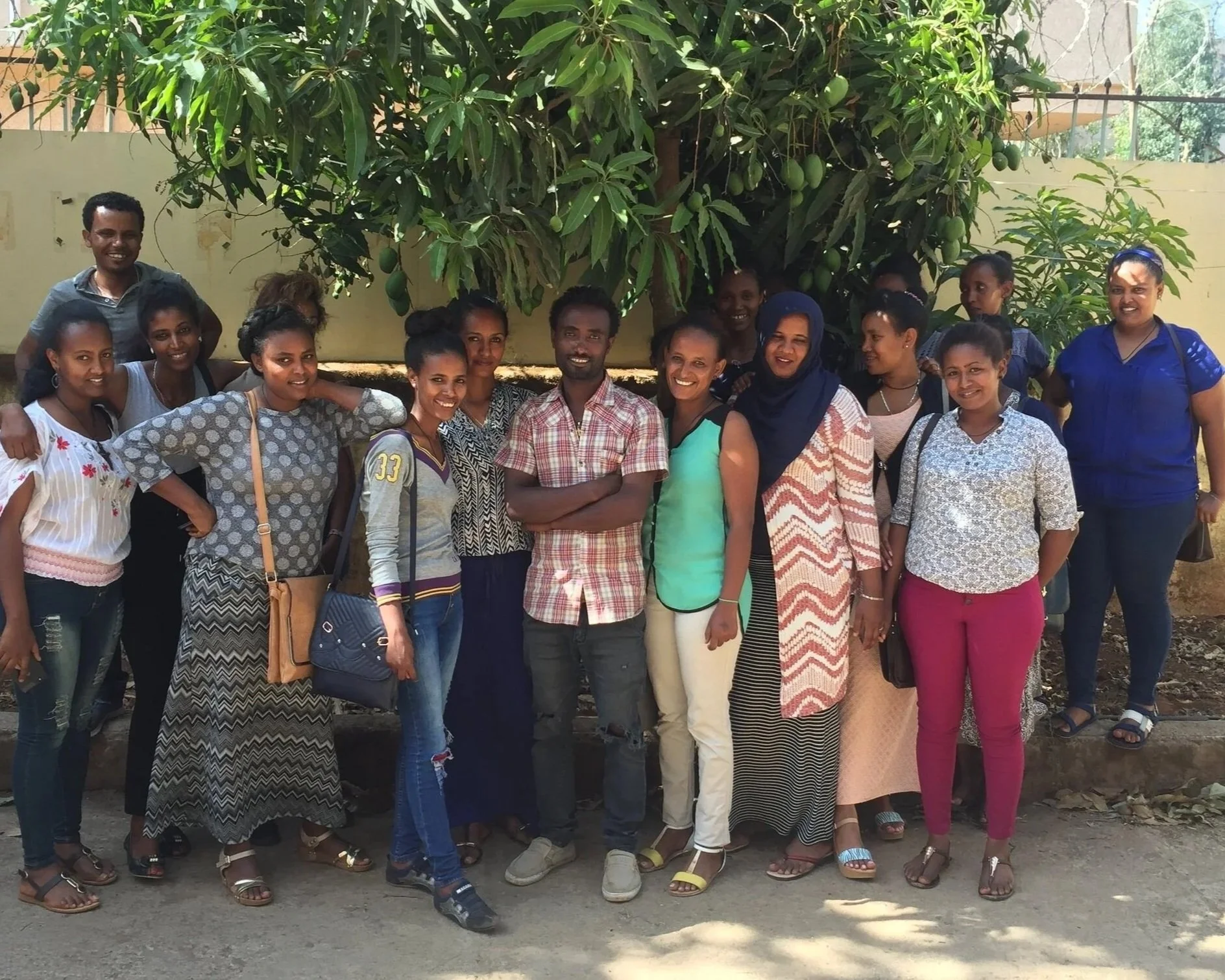
Andilaye Trial
The Andilaye Trial aimed to develop and assess the effectiveness of an enhanced, demand-side sanitation and hygiene intervention on sustaining behaviors for the control of enteric and neglected tropical diseases endemic to Amhara, Ethiopia.
MILLENNIUM WATER PROGRAM
We partnered with a consortia of WASH implementing organizations in Kenya and Ethiopia through the Millennium Water Programs to provide strategic support for monitoring, evaluation, and learning.
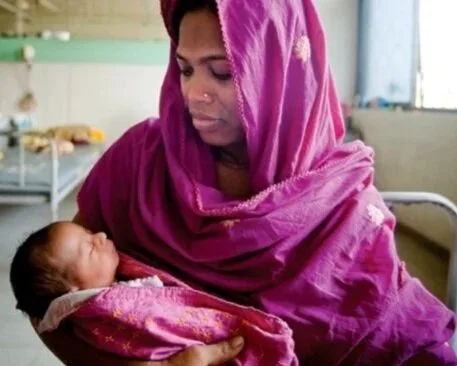
Orissa sanitation trial
The Orissa Sanitation Trial aimed to assess the health and educational impacts of a government-facilitated community sanitation project in rural Orissa.
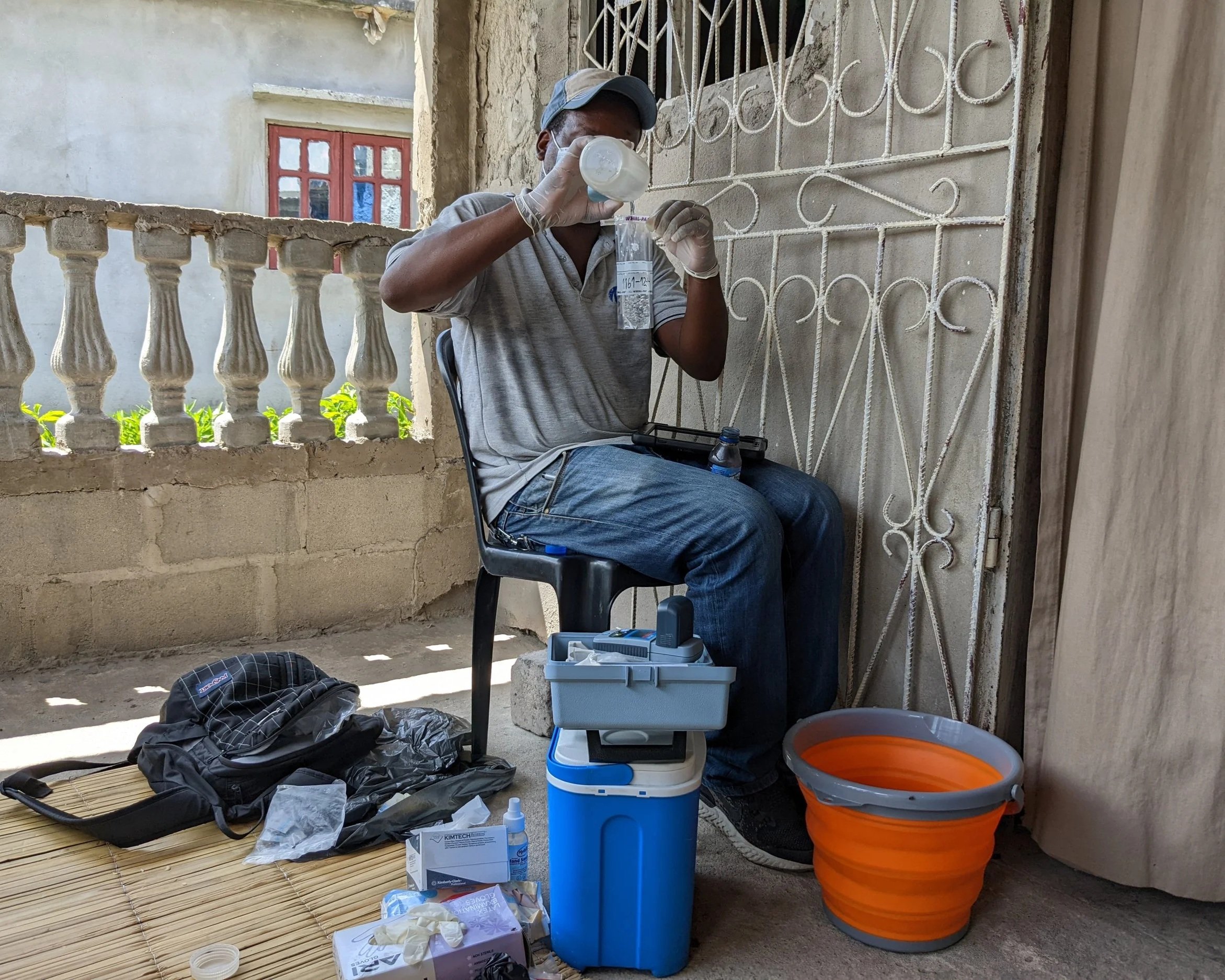
PAASIM Study
We evaluated how improvements in urban water supply in Mozambique affected enteric pathogen infection, gut microbiome composition, environmental enteric dysfunction, and other health outcomes among infants.
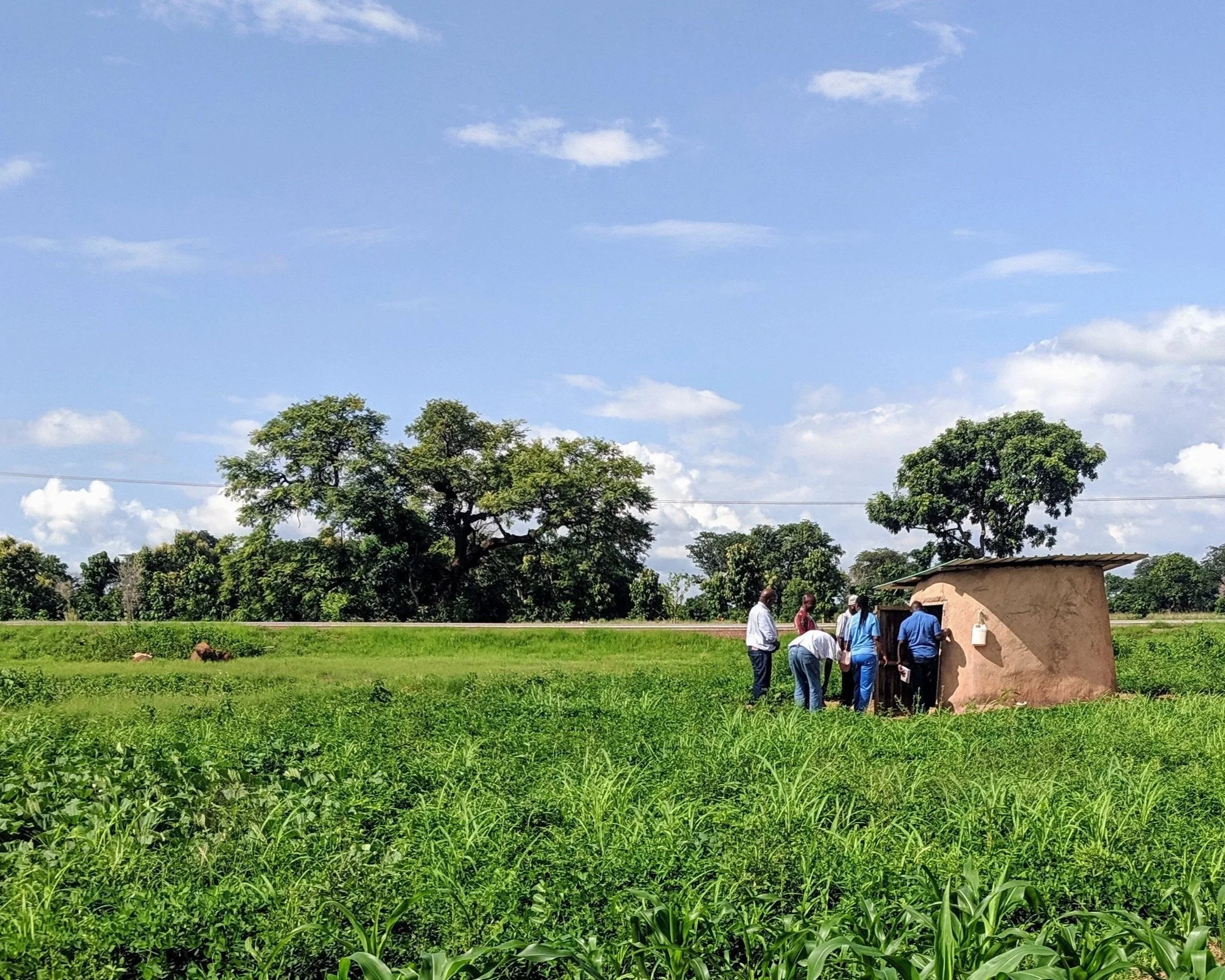
SSH4A REVIEW
We partnered with SNV: Netherlands Development Organization to assess the impact, equity, and sustainability of their widely implemented Sustainable Sanitation and Hygiene for All (SSH4A) approach.
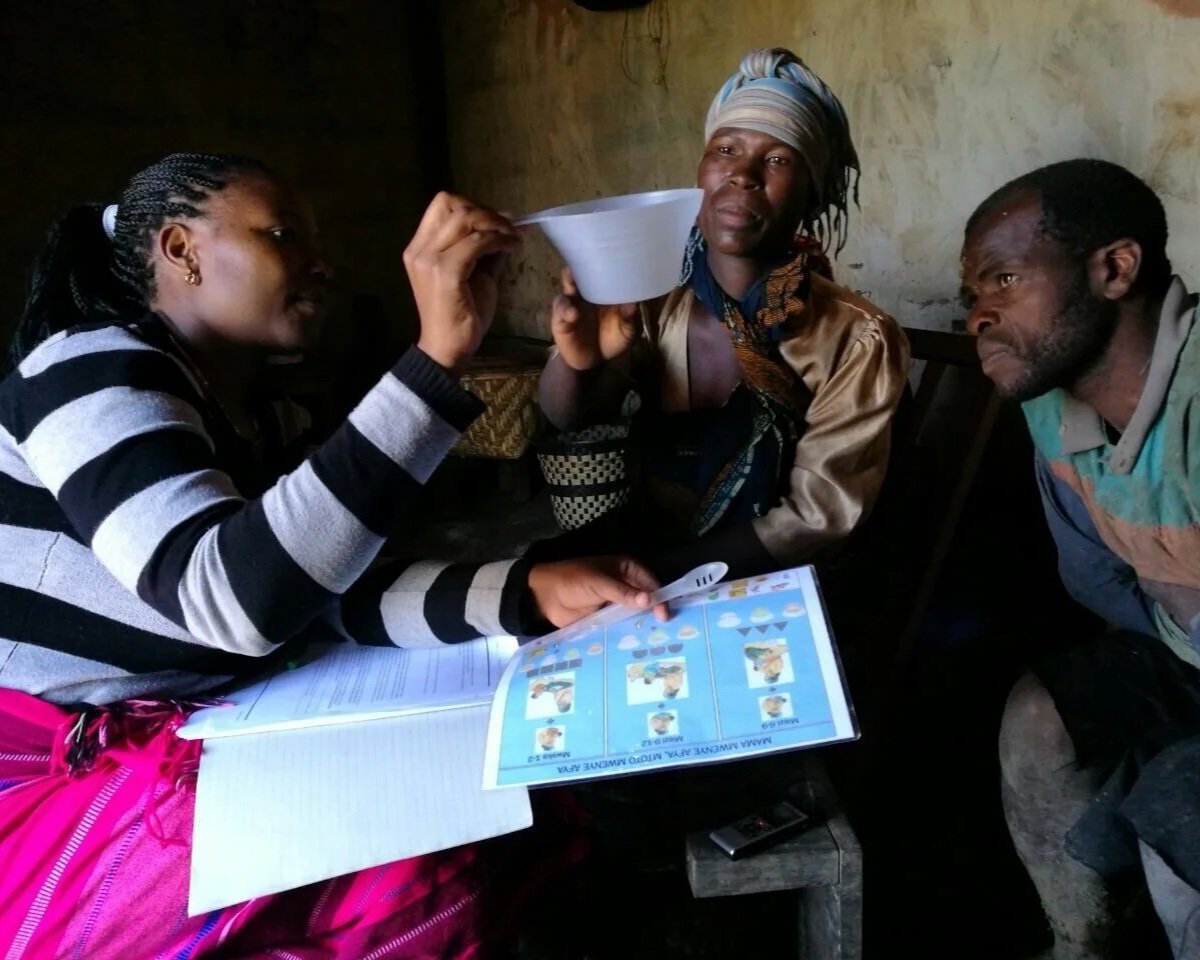
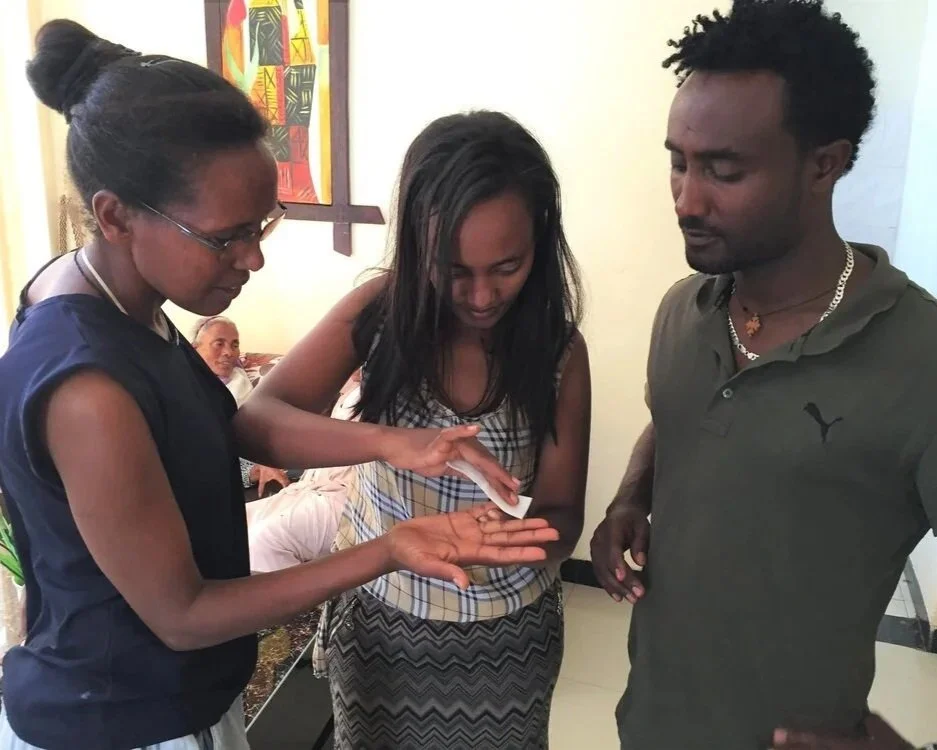
qPhat
Using color theory principles, we developed and tested a novel metric that generates quantitative measures of facial and hand cleanliness, proxy indicators of personal hygiene practices - known as the “Quantitative Personal Hygiene Assessment Tool (qPHAT)”